


E-commerce analytics tools help businesses understand their online performance. They give insights into customer behavior and sales trends.
In the fast-paced world of online shopping, staying ahead is crucial. E-commerce analytics tools provide vital data that helps businesses make smarter decisions. These tools can track everything from customer clicks to sales conversions. They offer a clear picture of what works and what doesn’t.
With the right analytics tool, businesses can boost their online presence and increase sales. Understanding these tools can be the key to e-commerce success. Let’s explore how these tools work and why they are essential for your online store.
Introduction To E-commerce Analytics
E-commerce analytics are essential for online businesses. They help track, measure, and analyze data. This data comes from various sources. Understanding these analytics can improve your e-commerce strategy.
Importance Of Data In E-commerce
Data is crucial in e-commerce. It provides insights into customer behavior. This helps businesses make informed decisions. Accurate data can improve marketing efforts. It can also enhance customer experience. Tracking sales data helps identify trends and patterns.
| Data Type | Importance |
|---|---|
| Customer Demographics | Helps tailor marketing campaigns |
| Sales Data | Identifies best-selling products |
| Website Traffic | Measures marketing effectiveness |
How Analytics Drive Sales Growth
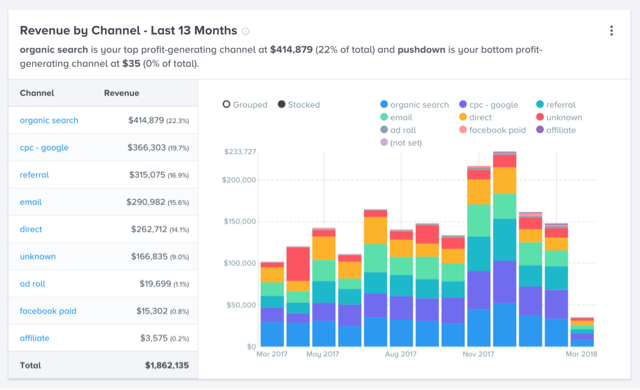
Analytics tools can boost your sales. They provide data on customer preferences. With this data, you can optimize product offerings. You can also personalize marketing messages.
- Identify high-performing products
- Understand customer preferences
- Improve marketing strategies
- Optimize pricing models
Analytics tools provide real-time data. This helps in quick decision-making. You can adjust strategies based on the latest data. This leads to better sales performance.
Credit: www.mayple.com
Key Metrics To Track
Tracking the right metrics is essential for the success of any e-commerce business. These metrics give insights into customer behavior, sales performance, and areas needing improvement. Here are some key metrics every e-commerce store should monitor:
Conversion Rate
The conversion rate is the percentage of visitors who complete a desired action. This could be making a purchase, signing up for a newsletter, or any other goal. A high conversion rate indicates that your site is effective at turning visitors into customers.
To calculate the conversion rate, use this formula:
Conversion Rate = (Number of Conversions / Total Visitors) 100Improving the conversion rate often involves optimizing the user experience, ensuring clear calls to action, and reducing any barriers to purchase.
Customer Lifetime Value
The Customer Lifetime Value (CLV) measures the total revenue a business can expect from a single customer over their lifetime. This metric helps in understanding the long-term value of each customer.
To calculate CLV, use this formula:
CLV = (Average Purchase Value) x (Average Purchase Frequency) x (Customer Lifespan)A higher CLV means customers are more valuable and loyal. Focus on retention strategies like loyalty programs and personalized marketing to boost CLV.
Cart Abandonment Rate
The cart abandonment rate is the percentage of shoppers who add items to their cart but do not complete the purchase. This metric highlights potential issues in the checkout process.
To calculate the cart abandonment rate, use this formula:
Cart Abandonment Rate = (Number of Abandoned Carts / Number of Carts Created) 100Reducing the cart abandonment rate often involves streamlining the checkout process, offering multiple payment options, and sending cart abandonment emails.
Top E-commerce Analytics Tools
Understanding your e-commerce data is essential for making informed business decisions. E-commerce analytics tools help you track various metrics and improve your strategies. Here are some of the top tools that can assist in analyzing your e-commerce data effectively.
Google Analytics
Google Analytics is a widely used tool for tracking website performance. It provides detailed insights into your website traffic and user behavior. With Google Analytics, you can:
- Monitor real-time website activity
- Track e-commerce transactions and revenue
- Understand user demographics and interests
- Analyze traffic sources and user flow
Google Analytics is free to use and integrates with many other platforms. It is an excellent choice for businesses of all sizes.
Shopify Analytics
If you use Shopify for your online store, Shopify Analytics is a built-in tool that provides valuable data. With Shopify Analytics, you can:
- Track sales and order volumes
- View customer data and behavior
- Analyze product performance
- Generate custom reports
Shopify Analytics is user-friendly and helps you make data-driven decisions. It is a must-have for Shopify store owners.
Kissmetrics
Kissmetrics is a robust tool designed for tracking user behavior across multiple touchpoints. It helps you understand how users interact with your site and products. Kissmetrics offers:
- Detailed customer journey tracking
- Advanced segmentation and cohort analysis
- Customizable funnels and reports
- Integration with various e-commerce platforms
Kissmetrics is ideal for businesses that want in-depth analytics and user insights. It helps in optimizing marketing efforts and improving customer retention.
Features To Look For In Analytics Tools
Choosing the right E-Commerce analytics tools can significantly impact your business. These tools help you understand customer behavior, track sales, and improve marketing strategies. But what features should you look for? Here’s a breakdown of essential features to consider.
Real-time Reporting
Real-time reporting is crucial for making immediate decisions. It allows you to see the latest data as it happens. This feature helps you track sales, customer activities, and website performance instantly.
- Immediate insights into customer behavior
- Track sales and conversions in real-time
- Monitor website performance instantly
User Behavior Tracking
Understanding how users interact with your site is vital. User behavior tracking provides insights into what customers are doing on your site. It helps you identify popular products, frequently visited pages, and common drop-off points.
- Track user journeys on your site
- Identify popular products and pages
- Detect drop-off points and improve them
Customizable Dashboards
Customizable dashboards let you tailor the analytics to your needs. You can display the most relevant data and metrics. This feature helps you focus on what matters most to your business.
- Create personalized views of your data
- Highlight key performance indicators (KPIs)
- Make data easier to understand and act upon
Integrating Analytics With E-commerce Platforms
Integrating analytics tools with your e-commerce platform is vital. It helps track performance, understand customer behavior, and make data-driven decisions. This integration can boost your sales and enhance the user experience on your site.
Seamless Integration
A seamless integration ensures that your analytics tools work smoothly with your e-commerce platform. This means no data loss and accurate tracking. Tools like Google Analytics or Shopify Analytics offer plugins and extensions. These tools are easy to install and set up.
A seamless integration helps you monitor traffic, conversion rates, and customer journeys. It saves time and reduces manual errors. This process also ensures that your data is always up-to-date.
Data Import And Export
Data import and export features are crucial for e-commerce analytics. They allow you to move data between your e-commerce platform and analytics tools. This helps in creating comprehensive reports and insights.
Most e-commerce platforms support CSV and Excel formats. These formats are easy to use and understand. Tools like Google Analytics and Adobe Analytics offer data import and export options. This functionality is essential for in-depth analysis.
Api Capabilities
API capabilities are important for advanced users. An API, or Application Programming Interface, allows you to connect different systems. This connection lets you automate data transfer and integration.
With API capabilities, you can create custom dashboards and reports. You can also integrate third-party tools and services. This flexibility is key for businesses with unique needs.
Most popular e-commerce platforms and analytics tools offer robust APIs. Examples include the Shopify API and the Google Analytics API. These APIs provide detailed documentation and support.
Using Analytics To Improve User Experience
E-commerce analytics tools are essential for improving user experience. By leveraging these tools, businesses can understand user behavior and preferences. This information helps in making informed decisions to enhance the shopping journey. The following sections explore how analytics can be used effectively.
Personalized Recommendations
Personalized recommendations can significantly enhance the user experience. Analytics tools track user behavior and purchase history. This data allows businesses to tailor recommendations to individual users. For example, if a user frequently buys sports gear, the system will suggest related products.
Benefits of personalized recommendations:
- Increased customer satisfaction
- Higher conversion rates
- Improved customer loyalty
A study found that personalized recommendations can increase sales by 10-30%. This highlights the importance of using analytics to personalize the shopping experience.
A/b Testing
A/B testing helps businesses understand what works best for their audience. This involves testing two versions of a webpage to see which performs better. Analytics tools track user interactions with both versions. For example, you can test two different call-to-action buttons to see which one gets more clicks.
Key elements to test:
- Product descriptions
- Images
- Pricing strategies
By continuously testing and analyzing results, businesses can make data-driven decisions. This leads to a more optimized and user-friendly website.
Optimizing Checkout Process
The checkout process is a critical part of the user journey. A complicated or lengthy checkout can lead to cart abandonment. Analytics tools provide insights into where users drop off during checkout. This data helps in identifying and fixing issues.
Strategies for optimizing the checkout process:
- Simplify form fields
- Offer multiple payment options
- Enable guest checkout
Analytics can also track the performance of these strategies. For example, if simplifying form fields reduces cart abandonment, it proves the effectiveness of the change. Optimizing the checkout process can lead to higher conversion rates and a better user experience.
Predictive Analytics For Future Sales
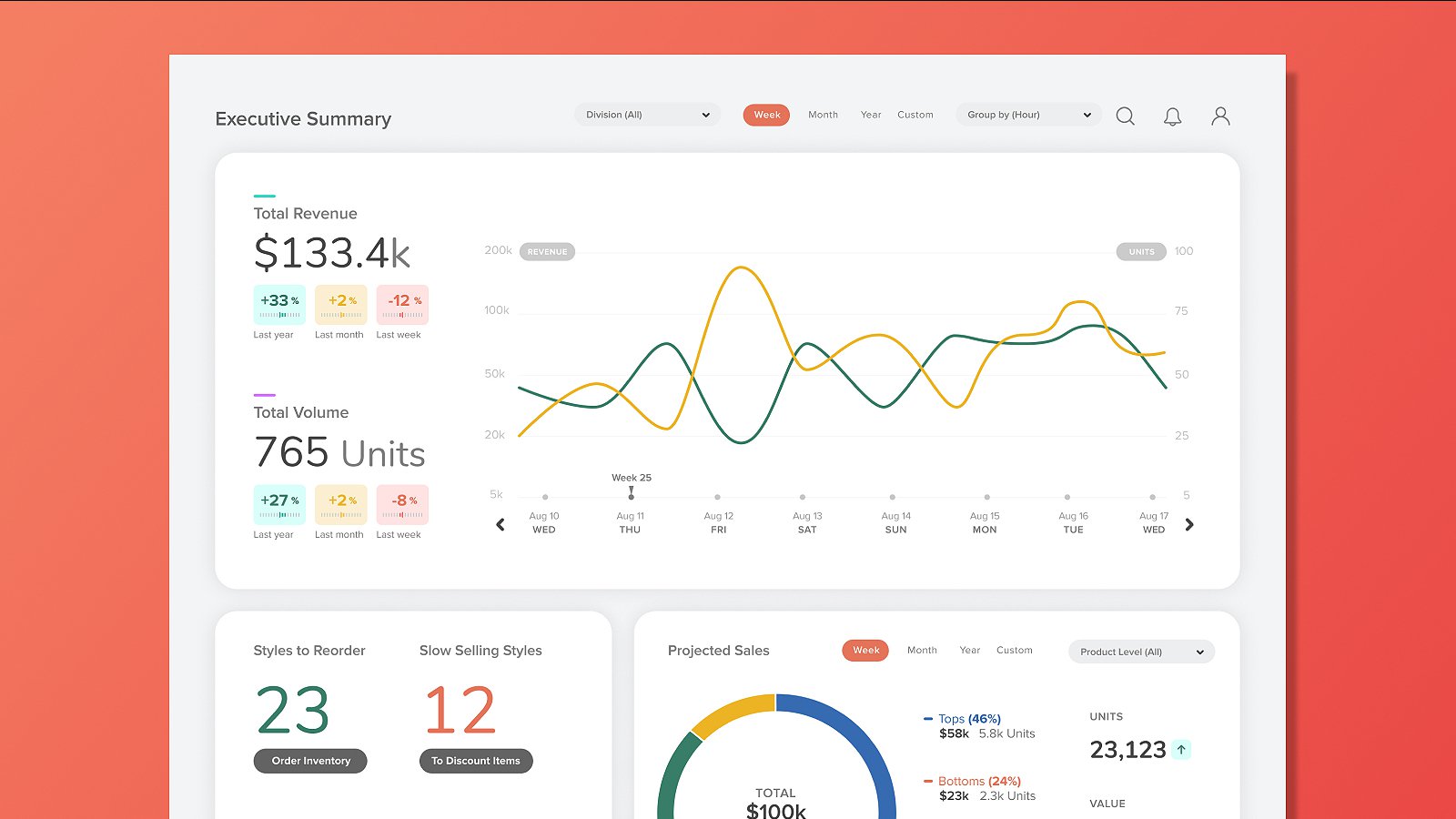
Predictive analytics in e-commerce uses data to forecast future sales. It helps businesses make informed decisions, enhancing their ability to predict trends. By leveraging this technology, companies can stay ahead of competitors and better meet customer demands.
Sales Forecasting
Sales forecasting involves predicting future revenue based on historical data. It helps in inventory management, ensuring you have enough stock to meet demand. Accurate forecasts reduce storage costs and improve cash flow.
Key metrics for sales forecasting include:
- Past Sales Data: Historical sales data provides a foundation.
- Market Trends: Current market trends influence future sales.
- Seasonality: Seasonal trends affect demand for products.
Sales forecasting tools use algorithms to analyze these metrics. They provide insights that help businesses plan better.
Trend Analysis
Trend analysis identifies patterns in sales data over time. It helps businesses understand which products are gaining popularity. This information is crucial for marketing strategies and product development.
Elements of trend analysis include:
- Sales Patterns: Identifying consistent patterns in sales data.
- Customer Behavior: Understanding how customers interact with products.
- Market Shifts: Recognizing changes in market preferences.
Trend analysis tools help businesses adapt quickly. They provide real-time data, allowing for immediate action.
Customer Segmentation
Customer segmentation divides customers into groups based on specific criteria. It allows businesses to tailor marketing efforts to different segments. This personalized approach increases customer engagement and loyalty.
Common segmentation criteria include:
- Demographics: Age, gender, income, and education level.
- Geographics: Customer location and region.
- Behavioral: Purchase history and product preferences.
Effective customer segmentation leads to targeted marketing campaigns. This results in higher conversion rates and better customer retention.
Investing in predictive analytics tools for future sales can significantly enhance business performance. By leveraging sales forecasting, trend analysis, and customer segmentation, businesses can make informed decisions and stay ahead in the competitive market.

Credit: www.geckoboard.com
Common Challenges And Solutions
Running an e-commerce business is no small feat. One of the key aspects is making sense of vast amounts of data. E-commerce analytics tools help. But they come with their own set of challenges. This section explores common challenges and provides solutions.
Data Accuracy
Data accuracy is crucial. Incorrect data leads to poor decisions. Here are some common issues:
- Data Entry Errors: Manual entries often have mistakes.
- Integration Issues: Data from different sources may not match.
- Outdated Data: Data not updated in real-time can be misleading.
Solutions:
- Automate Data Collection: Use software to reduce manual errors.
- Regular Audits: Check data regularly for discrepancies.
- Real-time Updates: Ensure your tools update data in real-time.
Handling Large Data Sets
Large data sets can be overwhelming. They require significant storage and processing power. Here are some common problems:
- Storage Limits: Some tools have storage caps.
- Slow Processing: Large data sets take longer to process.
- Complex Analysis: More data means more complex analysis.
Solutions:
- Cloud Storage: Use cloud solutions for unlimited storage.
- Scalable Tools: Choose tools that scale with your data needs.
- Data Segmentation: Break data into smaller, manageable segments.
Ensuring Data Privacy
Data privacy is critical. Breaches can damage trust and violate laws. Here are some common concerns:
- Unauthorized Access: Data may be accessed by unauthorized users.
- Data Leaks: Sensitive data can be exposed.
- Regulatory Compliance: Meeting data protection laws can be complex.
Solutions:
- Encryption: Encrypt data both at rest and in transit.
- Access Controls: Implement strict access controls.
- Regular Compliance Checks: Ensure compliance with relevant laws.
Case Studies Of Successful Implementations
Exploring case studies of successful implementations of e-commerce analytics tools can provide valuable insights. These examples show how businesses, both small and large, have harnessed these tools. They illustrate how analytics can drive growth and efficiency.
Small Business Success Stories
Small businesses often face tight budgets and limited resources. Yet, many have found innovative ways to use e-commerce analytics tools. Let’s look at a few success stories.
| Business Name | Tool Used | Outcome |
|---|---|---|
| Local Craft Store | Google Analytics | Increased online sales by 30% |
| Handmade Jewelry Shop | Shopify Analytics | Boosted customer retention by 20% |
The Local Craft Store utilized Google Analytics to track website traffic. They identified popular products and optimized their marketing strategies. This resulted in a 30% increase in online sales.
Another example is the Handmade Jewelry Shop. They used Shopify Analytics to understand customer behavior. They improved their customer retention rate by 20% through personalized email campaigns.
Enterprise-level Achievements
Larger enterprises often have more complex needs. They require robust analytics tools to manage vast amounts of data. Here are a couple of success stories from the enterprise level.
- Global Retailer used Adobe Analytics to streamline their inventory management.
- Leading Fashion Brand leveraged IBM Watson Analytics for predictive insights.
The Global Retailer implemented Adobe Analytics. This helped them forecast demand and reduce overstock. They achieved a significant reduction in inventory costs.
The Leading Fashion Brand adopted IBM Watson Analytics. They used it for predictive insights into customer trends. This led to more targeted marketing and higher sales conversion rates.
Lessons Learned
These case studies offer several valuable lessons:
- Even small businesses can benefit from analytics tools.
- Choosing the right tool is crucial for success.
- Understanding customer behavior can drive growth.
- Data-driven decisions lead to better inventory management.
- Predictive analytics can provide a competitive edge.
Each business has unique needs. Tailoring the use of e-commerce analytics tools to these needs is essential. It’s not just about having the tools, but about using them effectively.
.webp)
Credit: www.datachannel.co
Frequently Asked Questions
What Are E-commerce Analytics Tools?
E-commerce analytics tools help online businesses track and analyze customer behavior. They provide insights into sales, marketing effectiveness, and customer preferences. These tools enhance decision-making and optimize overall performance.
Why Use E-commerce Analytics Tools?
Using e-commerce analytics tools helps businesses understand customer behavior, improve marketing strategies, and boost sales. They offer valuable insights into customer preferences, helping businesses make informed decisions and enhance user experience.
How Do E-commerce Analytics Tools Work?
E-commerce analytics tools collect and analyze data from various sources. They track user activities, sales, and marketing performance. The data is then presented in an actionable format, helping businesses optimize their strategies and operations.
Which E-commerce Analytics Tool Is Best?
The best e-commerce analytics tool depends on your business needs. Popular options include Google Analytics, Shopify Analytics, and Adobe Analytics. Each offers unique features and benefits.
Conclusion
E-commerce analytics tools are essential for online business success. They provide valuable insights. They help track customer behavior and sales trends. These tools can improve decision-making. They also boost customer satisfaction. Selecting the right tool is crucial. It should meet your business needs.
Start using analytics tools today. Enhance your e-commerce strategy. Grow your business efficiently. Remember, data-driven decisions lead to better results.