



Workflow automation is transforming how businesses operate today. It streamlines tasks, saving time and reducing errors.
Imagine having repetitive tasks handled automatically. Workflow automation makes this possible. It uses technology to complete tasks without human intervention. This means more efficiency and consistency in your operations. By automating workflows, businesses can focus on more important activities. They also reduce the risk of human error.
In this blog, we’ll explore the benefits and applications of workflow automation. You’ll learn why it’s essential for modern businesses. Discover how automation can improve productivity and enhance your workflow processes. Ready to dive in? Let’s explore the world of workflow automation together.
Introduction To Workflow Automation
In today’s fast-paced business world, efficiency is key. Businesses seek ways to streamline their operations. Workflow automation is a powerful tool for achieving this goal. It eliminates repetitive tasks and ensures smooth processes. Let’s dive into what workflow automation is and its importance in modern business.
What Is Workflow Automation?
Workflow automation is the technology that automates tasks. It involves using software to perform tasks without human intervention. This includes sending emails, generating reports, and updating records.
Automation tools use defined rules and logic. They ensure tasks are completed accurately and on time. This helps in reducing errors and saving valuable time for employees.
Importance In Modern Business
Workflow automation is crucial in modern business. It offers several benefits:
- Increased Efficiency: Automation speeds up processes, leading to faster results.
- Cost Savings: Reduces the need for manual labor, cutting operational costs.
- Improved Accuracy: Minimizes human errors, ensuring data consistency.
- Employee Satisfaction: Frees employees from mundane tasks, allowing them to focus on higher-value work.
- Better Compliance: Ensures tasks are done according to set regulations and standards.
Automation tools are adaptable and scalable. They grow with your business needs. This makes them a vital asset for any modern organization.

Credit: velaro.com
Benefits Of Workflow Automation
Workflow automation helps streamline business processes. It uses technology to handle repetitive tasks. This leads to numerous benefits for businesses of all sizes. Let’s explore these benefits in detail.
Increased Efficiency
Automation speeds up processes. It allows tasks to be completed faster. Manual efforts are reduced significantly. Employees focus on more important work. Bottlenecks are minimized. The overall workflow becomes smoother.
Cost Reduction
By automating tasks, businesses save money. Labor costs decrease. Fewer resources are needed for simple tasks. Operational costs are also reduced. This leads to higher profit margins.
| Automation Impact | Cost Reduction |
|---|---|
| Labor Costs | Lower |
| Operational Costs | Lower |
Improved Accuracy
Automation reduces human error. Tasks are done correctly every time. Data entry errors are minimized. This leads to better quality work. Consistency in output is maintained.
- Less human error
- Better quality work
- Consistent results
Key Components
Understanding the key components of workflow automation helps streamline business processes. It ensures tasks are completed efficiently and accurately. Let’s break down the essential elements that make workflow automation effective.
Automation Tools
Automation tools are software applications designed to perform repetitive tasks without human intervention. These tools can include:
- Task schedulers
- Robotic process automation (RPA)
- Business process management (BPM) software
Task schedulers help plan and execute tasks at specific times. RPA mimics human actions to handle routine work. BPM software manages and optimizes business processes.
Software Integration
Software integration connects different applications to work together seamlessly. This ensures data flows smoothly between systems. Integration can involve:
- APIs (Application Programming Interfaces)
- Middleware
- Custom connectors
APIs allow different software to communicate and share data. Middleware serves as a bridge between applications. Custom connectors tailor integrations to specific needs.
User Roles
Defining user roles is crucial for workflow automation. It ensures each team member knows their responsibilities. User roles typically include:
| Role | Description |
|---|---|
| Administrator | Manages and configures the automation system |
| User | Executes tasks assigned by the system |
| Reviewer | Monitors and reviews completed tasks |
Administrators set up and maintain the system. Users perform tasks assigned by the automation tool. Reviewers ensure task quality and accuracy.
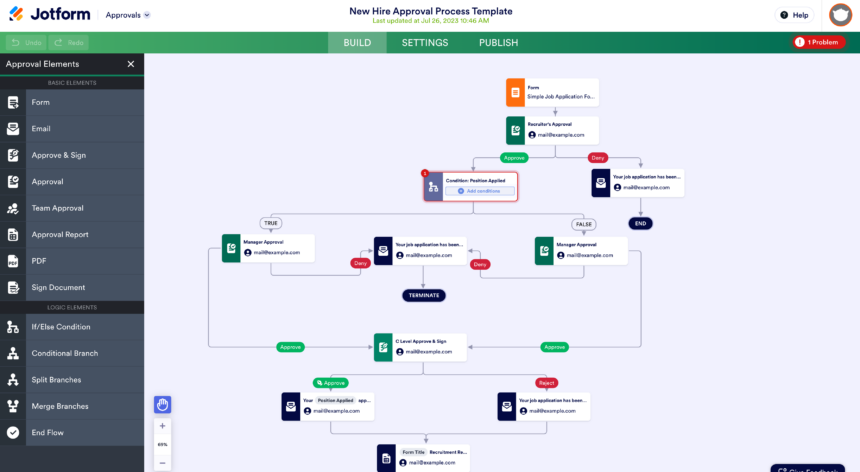
.jpg)
Credit: www.docsumo.com
Implementation Steps
Implementing workflow automation can streamline operations and increase efficiency. Knowing the steps to implement it properly is crucial. Follow these steps to ensure a smooth transition to automated workflows.
Identifying Processes To Automate
The first step is to identify the tasks that can be automated. Look for repetitive, time-consuming tasks. These tasks often require little human judgment. Examples include data entry, invoice processing, and email responses. Make a list of such tasks and prioritize them based on their frequency and time consumption.
Choosing The Right Tools
Once you have identified the processes to automate, the next step is choosing the right tools. There are various automation tools available, each with its strengths and weaknesses. Consider factors like ease of use, compatibility with your existing systems, and cost. Popular tools include Zapier, Microsoft Power Automate, and UiPath. Compare their features in the table below:
| Tool | Ease of Use | Compatibility | Cost |
|---|---|---|---|
| Zapier | High | Multiple Platforms | $$ |
| Microsoft Power Automate | Medium | Microsoft Ecosystem | $ |
| UiPath | Medium | Enterprise Systems | $$$ |
Training And Support
Training your team is essential for successful implementation. Provide comprehensive training sessions on using the new tools. Ensure they understand how to set up and manage automated workflows. Create user guides and manuals for reference. Additionally, provide ongoing support. Establish a helpdesk or a dedicated team to address any issues that arise.
In summary, follow these steps:
- Identify processes to automate.
- Choose the right tools based on your needs.
- Provide training and support for your team.
By following these steps, you can ensure a smooth and successful implementation of workflow automation.
Common Challenges
Workflow automation can make businesses more efficient. But it also brings several challenges. These challenges can slow down the process of adopting automation. Addressing them early can help ensure a smooth transition.
Resistance To Change
Employees might be afraid of losing their jobs. They might feel that automation will replace them. This fear can lead to resistance. To overcome this, training and clear communication are essential. Show how automation helps them. Explain how it can make their jobs easier.
Initial Costs
Setting up automation can be expensive. Initial costs can include software, hardware, and training. Small businesses might find these costs high. But think of it as an investment. Over time, automation can save money. It can also increase productivity.
Technical Issues
Automation relies on technology. Technical issues can arise. These can include software bugs, system crashes, and integration problems. To handle these, a strong IT team is needed. Regular maintenance and updates are also important. Proper planning can prevent many technical issues.
Addressing these challenges early can help in successfully implementing workflow automation. Businesses must be prepared to handle resistance, initial costs, and technical issues. Proper planning and communication can make a big difference.
Measuring Success
Measuring the success of workflow automation is essential to ensure that your processes are efficient and effective. By tracking key metrics, you can identify areas for improvement and make data-driven decisions. This section will explore the important aspects of measuring success, focusing on Key Performance Indicators and the concept of Continuous Improvement.
Key Performance Indicators
Key Performance Indicators (KPIs) are metrics that help evaluate the success of your workflow automation. Here are some important KPIs to consider:
- Process Completion Time: Measures the time taken to complete a process from start to finish.
- Error Rate: Tracks the number of errors or issues in the automated process.
- Cost Savings: Calculates the reduction in costs due to automation.
- Employee Productivity: Assesses the increase in productivity as a result of automation.
- Customer Satisfaction: Measures the impact of automation on customer experience.
Continuous Improvement
Workflow automation is not a one-time project. It requires continuous evaluation and improvement. Here are steps to ensure continuous improvement:
- Regular Reviews: Schedule regular reviews to assess the performance of your automated workflows.
- Feedback Collection: Gather feedback from employees and customers to identify pain points.
- Process Optimization: Use the feedback and data from KPIs to optimize the processes.
- Training and Development: Provide ongoing training to employees on new tools and techniques.
- Technology Upgrades: Stay updated with the latest technology to enhance your automation.
By focusing on these steps, you can ensure that your workflow automation continues to deliver value and remains efficient over time.
Case Studies
Workflow automation is transforming businesses. It streamlines processes and boosts productivity. In this section, we’ll explore real-life case studies. These examples demonstrate the impact of workflow automation. Learn from their successes and challenges.
Success Stories
Many businesses have benefited from workflow automation. Here are some examples:
- Company A: Automated their invoicing system. Reduced errors by 90%.
- Company B: Implemented an automated customer support system. Response time improved by 50%.
- Company C: Streamlined their HR processes. Saved 30 hours per week.
These success stories highlight the power of automation. Companies have seen significant improvements in efficiency and accuracy.
Lessons Learned
Implementing workflow automation can be challenging. Here are some lessons learned from our case studies:
- Start Small: Begin with a single process. Ensure it works before expanding.
- Train Staff: Proper training is crucial. Employees must understand the new system.
- Monitor Progress: Regularly check the automation’s performance. Adjust as needed.
- Get Feedback: Listen to employee feedback. They can provide valuable insights.
These lessons can help ensure successful implementation. Avoid common pitfalls and maximize the benefits of workflow automation.
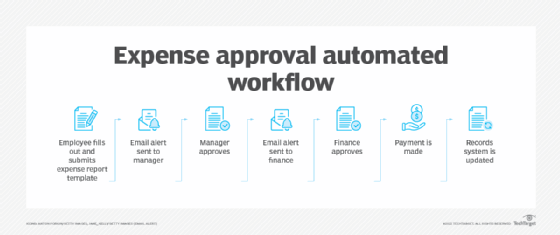
Credit: www.techtarget.com
Future Trends
The world of workflow automation is evolving rapidly. Future trends are driving significant changes. Businesses must stay informed to stay ahead. Let’s explore some key trends shaping the future of workflow automation.
Ai And Machine Learning
Artificial Intelligence (AI) and Machine Learning (ML) are transforming workflow automation. These technologies enable systems to learn from data. They automate complex tasks with high accuracy.
AI and ML can predict outcomes and suggest actions. This reduces human error and increases efficiency. For example, AI can analyze customer data and recommend personalized actions. ML algorithms can improve over time, making systems smarter and more reliable.
Integration With Iot
The Internet of Things (IoT) is connecting devices and systems. Integrating workflow automation with IoT brings new possibilities. IoT devices collect and share data in real-time. This data can trigger automated workflows.
For instance, a sensor in a warehouse can detect low inventory levels. It then sends a signal to an automated system to reorder stock. This integration streamlines operations and enhances decision-making.
Remote Work Adaptations
Remote work is becoming more common. Workflow automation must adapt to this trend. Automation tools help remote teams stay productive. They streamline communication and task management.
For example, automated project management tools assign tasks and track progress. They ensure everyone stays on the same page. Automated reporting tools generate updates and insights for remote teams.
These tools make remote work more efficient and effective.
| Trend | Benefit |
|---|---|
| AI and Machine Learning | Improves accuracy and efficiency |
| Integration with IoT | Enables real-time data-driven automation |
| Remote Work Adaptations | Enhances productivity for remote teams |
Frequently Asked Questions
What Is Workflow Automation?
Workflow automation is the process of automating repetitive tasks. It increases efficiency and reduces human error. This can be achieved through software tools.
How Does Workflow Automation Work?
Workflow automation uses software to complete tasks automatically. It follows predefined rules and conditions. This helps in streamlining processes and saving time.
What Are The Benefits Of Workflow Automation?
Workflow automation improves productivity and reduces errors. It saves time and cuts operational costs. It also ensures consistency and reliability.
Can Small Businesses Use Workflow Automation?
Yes, small businesses can use workflow automation. It helps them streamline operations and compete effectively. It is cost-effective and scalable.
Conclusion
Workflow automation simplifies tasks and boosts productivity. It reduces errors and saves time. Businesses can focus on core activities. Employees enjoy streamlined processes. Efficiency increases with automated workflows. Small and large businesses benefit equally. Implementing automation is a smart move.
It supports growth and enhances performance. Start automating your workflow today. Enjoy the benefits of a seamless process.