



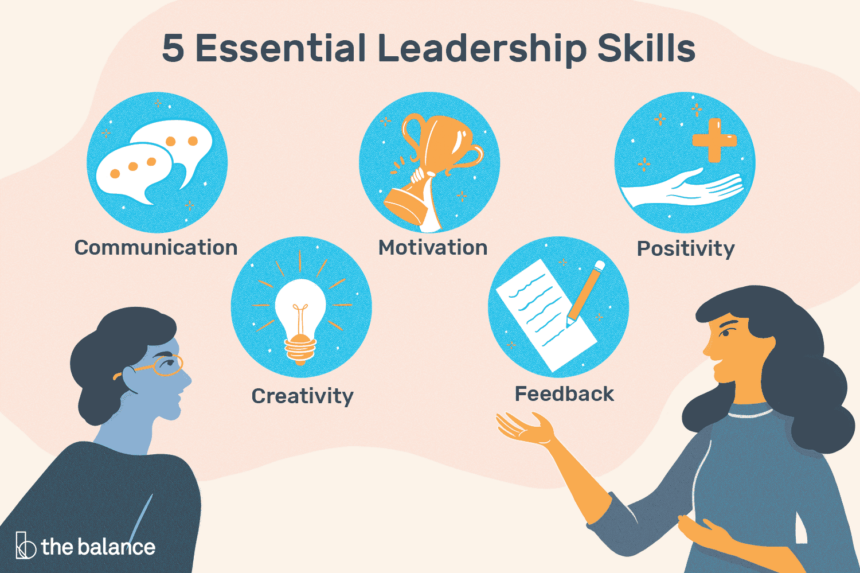
Leadership skills are essential for success in any field. They help guide teams and achieve goals.
In today’s fast-paced world, effective leadership can make a significant difference. Leaders inspire and motivate others, creating a positive work environment. These skills are not just for CEOs or managers; everyone can benefit from developing them. Whether you’re leading a small group or a large organization, strong leadership skills are crucial.
They involve communication, decision-making, and the ability to influence others. Developing these skills can lead to better teamwork, increased productivity, and a more fulfilling career. In this blog post, we will explore the key leadership skills you need to succeed and how to cultivate them effectively.
Importance Of Leadership
Leadership skills are crucial in today’s fast-paced world. Good leaders inspire their teams and drive success. They create a vision and guide others toward achieving it.
Leadership impacts every aspect of an organization. From team morale to achieving goals, effective leadership is key.
Impact On Team Dynamics
A strong leader positively affects team dynamics. They foster open communication and trust. This leads to a more collaborative environment.
Good leaders understand each team member’s strengths. They delegate tasks accordingly, ensuring efficiency. This boosts team morale and productivity.
Effective leadership also resolves conflicts quickly. This maintains a positive work environment and keeps the team focused on goals.
Driving Organizational Success
Leadership drives organizational success in many ways. It sets clear goals and aligns the team towards achieving them. This ensures everyone works towards a common objective.
Strong leaders make informed decisions. They analyze data and consider input from their team. This leads to better outcomes and fewer mistakes.
Leadership also impacts the organization’s culture. A positive, inclusive culture attracts top talent. This helps the organization grow and succeed in the long term.

Credit: blog.acesence.com
Core Leadership Qualities
Effective leaders possess certain qualities that set them apart. These core leadership qualities are essential for guiding a team and achieving goals. Let’s explore some of the most important attributes.
Integrity And Honesty
Integrity and honesty form the foundation of strong leadership. A leader with integrity stands by their values and principles. They do what is right, not what is easy. Honesty builds trust within the team. When leaders are transparent, team members feel secure and respected. This trust fosters a positive work environment.
- Transparency: Open communication about decisions and intentions.
- Consistency: Actions align with words and values.
- Accountability: Owning up to mistakes and learning from them.
Empathy And Emotional Intelligence
Empathy and emotional intelligence are crucial for understanding and connecting with others. Empathetic leaders can relate to their team’s feelings and perspectives. This connection improves communication and collaboration. Emotional intelligence helps leaders manage their emotions and stay calm under pressure. They can also recognize and respond to the emotions of their team members.
| Empathy | Emotional Intelligence |
|---|---|
| Understanding others’ perspectives | Managing personal emotions |
| Building strong relationships | Recognizing team members’ emotions |
| Fostering a supportive environment | Staying calm under pressure |
Incorporating these qualities into your leadership approach can lead to a more effective and harmonious team. Focus on integrity, honesty, empathy, and emotional intelligence to become a better leader.
Effective Communication
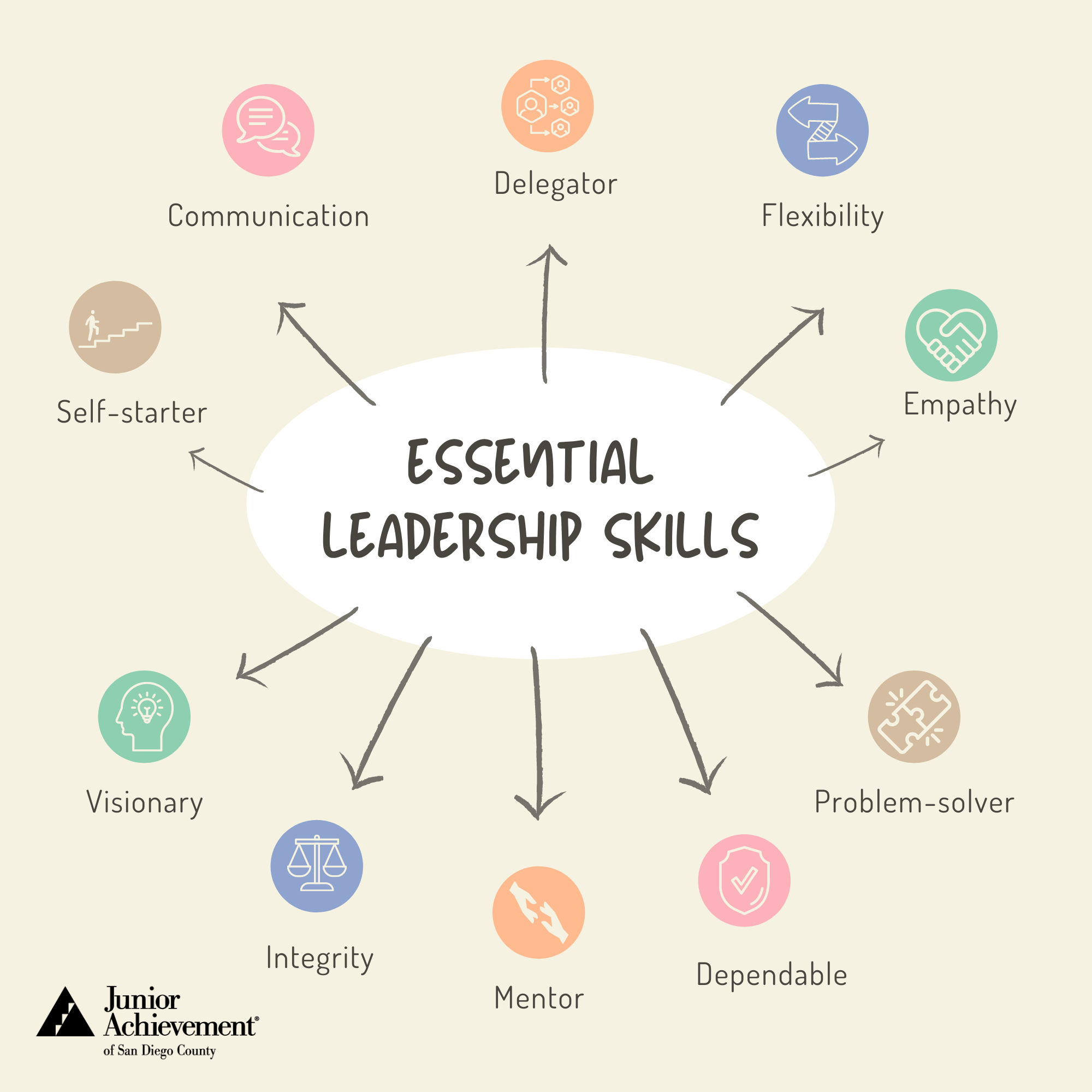
Effective communication is one of the most critical leadership skills. Good leaders use effective communication to inspire and guide their teams. It involves both speaking and listening. Let’s dive into two key components of effective communication: Active Listening and Clear and Concise Messaging.
Active Listening
Active listening is more than just hearing words. It means truly understanding what the speaker is saying. This involves paying full attention, showing interest, and providing feedback. Here are some tips for active listening:
- Maintain eye contact: This shows you are focused and engaged.
- Don’t interrupt: Let the speaker finish before you respond.
- Ask questions: Clarify points to show you are listening.
- Paraphrase: Repeat back what you heard in your own words.
Active listening fosters trust and respect. It helps leaders understand their team’s needs and concerns.
Clear And Concise Messaging
Clear and concise messaging is vital for effective communication. Leaders must convey their thoughts in a straightforward manner. This helps avoid misunderstandings and confusion. Here are some steps to achieve clear and concise messaging:
- Know your audience: Tailor your message to their level of understanding.
- Use simple language: Avoid jargon and complex words.
- Be direct: Get to the point quickly.
- Use short sentences: This makes your message easy to follow.
A clear and concise message ensures everyone is on the same page. It makes communication effective and efficient.
Credit: jasandiego.org
Decision-making Skills
Decision-making is a core part of leadership. Leaders often need to make choices that impact their team and organization. Good decision-making skills help leaders choose the best path forward. These skills involve gathering information, assessing risks, and making informed choices. Below, we will discuss two key aspects of decision-making skills: Analyzing Information and Evaluating Risks.
Analyzing Information
Analyzing information is the first step in making a good decision. Leaders must gather all relevant data. This includes both quantitative and qualitative information. They should look at facts, figures, and feedback from their team. By doing this, leaders can understand the situation better.
Here are some tips for analyzing information effectively:
- Gather data from reliable sources – Ensure the information is accurate and trustworthy.
- Use tools and software – Tools like spreadsheets and databases can help organize data.
- Seek input from others – Team members may have valuable insights and perspectives.
- Look for patterns and trends – Identifying trends can help predict future outcomes.
Evaluating Risks
After analyzing information, leaders need to evaluate risks. Every decision comes with potential risks and benefits. Evaluating these risks helps leaders make informed choices. This involves looking at possible outcomes and their impact on the organization.
Consider these steps when evaluating risks:
- Identify potential risks – List all possible negative outcomes.
- Assess the likelihood – Determine how likely each risk is to occur.
- Evaluate the impact – Understand how each risk could affect the organization.
- Develop mitigation strategies – Plan how to reduce or manage risks.
Building Trust
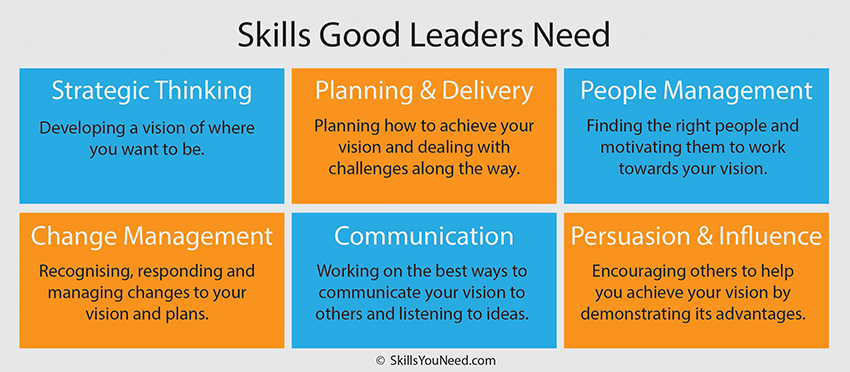
In leadership, building trust is crucial for success. Trust fosters collaboration and loyalty. It enhances team performance and creates a positive work environment. Let’s explore two key aspects of building trust: Consistency and Reliability, and Transparency in Actions.
Consistency And Reliability
Consistency and reliability are foundations of trust. Leaders should be predictable and dependable. Teams need to know they can count on their leader. This means following through on promises and commitments.
- Show up on time.
- Meet deadlines.
- Deliver quality work.
Being reliable boosts trust and respect. It shows you value your team and their time. Consistency in actions builds a sense of security. It reassures the team that the leader is stable and dependable.
Transparency In Actions
Transparency means being open and honest. Leaders should communicate openly about decisions and changes. This includes sharing both good and bad news. Transparency builds trust because it shows honesty and integrity.
- Share updates regularly.
- Explain the reasons behind decisions.
- Admit mistakes and learn from them.
Transparency also involves involving the team in decision-making. This makes them feel valued and respected. It shows that their opinions matter. Open communication fosters a culture of trust and mutual respect.
Credit: www.skillsyouneed.com
Motivating Your Team
Motivating your team is essential for achieving business success. A motivated team works more efficiently and remains committed to goals. This section will discuss strategies to keep your team motivated, focusing on two key areas: setting clear goals and recognizing achievements.
Setting Clear Goals
Clear goals provide direction and purpose. They help team members understand what is expected and why it is important. Use the SMART criteria to set goals:
- Specific: Goals should be clear and specific.
- Measurable: There should be criteria to measure progress.
- Achievable: Goals should be realistic and attainable.
- Relevant: Goals should align with broader objectives.
- Time-bound: Set deadlines to create urgency.
Communicate these goals effectively. Ensure every team member understands their role in achieving them. Regularly review progress and adjust as needed.
Recognizing Achievements
Recognizing achievements boosts morale and reinforces positive behavior. Celebrate both small and large wins. Here are some ways to recognize your team’s hard work:
- Public acknowledgment in meetings or newsletters
- Personal thank-you notes or emails
- Small rewards like gift cards or extra time off
Ensure recognition is timely and specific. Mention what was achieved and why it matters. This encourages continued effort and loyalty.
Conflict Resolution
Effective conflict resolution is a key component of strong leadership. It helps maintain a positive work environment and boosts team productivity. Leaders who are skilled in resolving conflicts can turn potential disruptions into opportunities for growth.
Addressing Issues Early
Addressing issues early can prevent conflicts from escalating. When a problem is identified, it’s crucial to take action immediately. This can stop misunderstandings from growing into larger issues.
Here are some steps to address conflicts early:
- Identify the root cause of the issue.
- Discuss the problem with all parties involved.
- Listen actively to each person’s perspective.
- Remain neutral and avoid taking sides.
By tackling conflicts at the outset, leaders can maintain harmony and build trust within their teams.
Creating Win-win Solutions
Creating win-win solutions ensures that all parties feel heard and valued. This approach focuses on collaboration rather than competition.
To create win-win solutions:
- Encourage open communication.
- Identify common goals.
- Brainstorm possible solutions together.
- Evaluate the pros and cons of each solution.
- Select the best option that benefits everyone.
By fostering a collaborative environment, leaders can resolve conflicts while strengthening team bonds.
Continuous Improvement
Leadership is an evolving journey. Great leaders never stop learning. They aim for continuous improvement. This involves seeking feedback and investing in personal growth. Both are vital to becoming a better leader.
Seeking Feedback
Feedback is a powerful tool for growth. It provides insights into your strengths and weaknesses. Regularly asking for feedback helps you understand how others perceive your actions. This can guide you in making necessary adjustments.
Consider these methods for seeking feedback:
- One-on-one meetings with team members
- Anonymous surveys
- Performance reviews
- Peer evaluations
Be open to feedback, whether positive or negative. Use it to improve your leadership skills.
Investing In Personal Growth
Personal growth is essential for continuous improvement. Investing time and resources in developing yourself can lead to better leadership.
Here are some ways to invest in personal growth:
| Method | Description |
|---|---|
| Reading Books | Learn from experts in leadership. |
| Attending Workshops | Gain new skills and network with peers. |
| Online Courses | Flexible learning on various topics. |
| Mentorship | Receive guidance from experienced leaders. |
Incorporate these methods into your routine. Prioritize personal growth to become a more effective leader.
Frequently Asked Questions
What Are Essential Leadership Skills?
Essential leadership skills include communication, decision-making, empathy, and problem-solving. These skills help leaders guide their teams effectively. Strong leadership ensures a productive and positive work environment.
How Can I Develop Leadership Skills?
You can develop leadership skills through practice, feedback, and learning. Attend workshops, read books, and seek mentorship. Consistent effort will improve your leadership abilities.
Why Are Leadership Skills Important?
Leadership skills are important because they influence team performance and morale. Good leaders inspire and motivate their teams. Effective leadership drives success and achieves organizational goals.
What Is The Role Of Communication In Leadership?
Communication is crucial in leadership. It ensures clear expectations and feedback. Good communication fosters trust and transparency. Effective leaders communicate vision and goals clearly.
Conclusion
Great leaders inspire and motivate their teams. Strong communication builds trust and clarity. Adaptability ensures success in changing environments. Empathy fosters better relationships within teams. Continuous learning keeps leadership skills sharp. Effective leaders balance confidence with humility. Remember, leadership is a journey, not a destination.
Practice these skills daily for steady improvement. Keep striving to be the best leader you can be. Your team will appreciate your efforts and grow alongside you.