



Best Team collaboration is essential for any successful organization. It ensures tasks are completed efficiently and effectively.
In today’s fast-paced work environment, team collaboration has become more crucial than ever. Whether working remotely or in the office, teams need to communicate well to achieve their goals. Effective collaboration fosters creativity, enhances problem-solving, and boosts productivity. It also helps build trust among team members, leading to a more cohesive and motivated workforce.
Good collaboration tools and strategies can make a significant difference. By understanding and implementing the right practices, teams can overcome challenges and work together harmoniously. This blog will explore the importance of team collaboration and how you can improve it in your workplace. Let’s dive into the world of teamwork and discover the benefits of working together seamlessly.
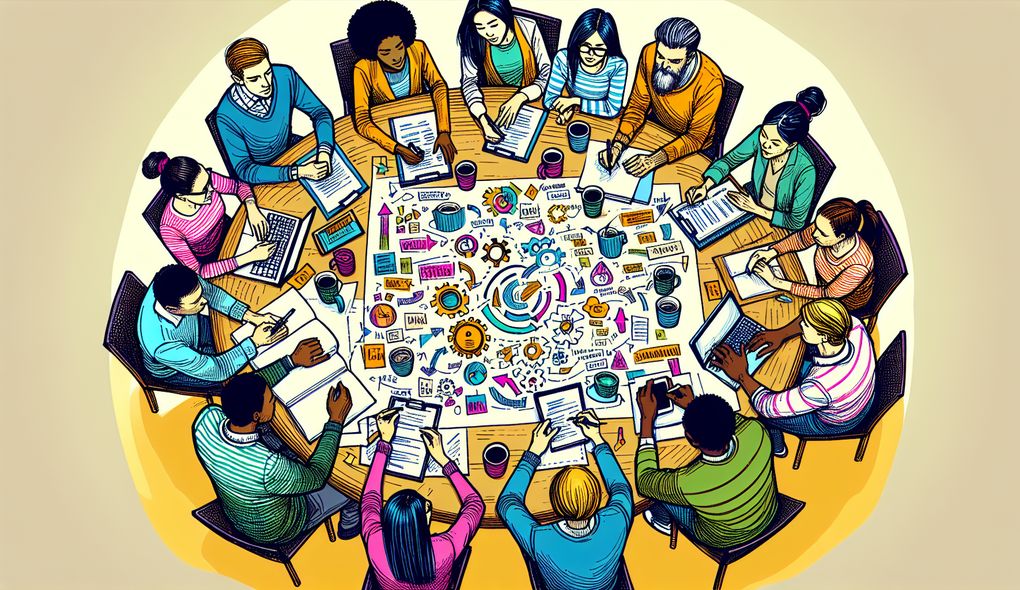
Credit: jobya.com
Importance Of Team Collaboration
Key Elements Of Effective Collaboration
Effective collaboration is the cornerstone of any successful team. It drives productivity, fosters innovation, and enhances overall workplace satisfaction. Understanding the key elements of effective collaboration is essential for any team aspiring to achieve their goals together.
Clear Communication
Clear communication is the foundation of effective collaboration. It ensures that all team members are on the same page. Here are some ways to achieve clear communication:
- Regular Meetings: Schedule frequent check-ins to discuss progress and address issues.
- Active Listening: Encourage team members to listen attentively and respond thoughtfully.
- Open Channels: Use various communication tools to keep everyone informed.
Clear communication minimizes misunderstandings and keeps the team aligned with their objectives.
Defined Roles
Defined roles help each team member understand their responsibilities. It prevents overlap and ensures efficiency. Consider the following:
- Role Clarity: Clearly outline each member’s tasks and responsibilities.
- Task Allocation: Assign tasks based on individual strengths and expertise.
- Accountability: Hold each member accountable for their assigned roles.
Defined roles contribute to a more organized and productive team environment.
These key elements, when practiced consistently, create a collaborative atmosphere. Teams that communicate clearly and have defined roles are more likely to succeed.
Tools For Team Collaboration
Effective team collaboration is essential for any organization’s success. The right tools can make a huge difference in communication, project management, and overall productivity. Below, we will explore some essential tools that can enhance team collaboration.
Project Management Software
Project management software helps teams organize and manage tasks. It allows team members to track progress, set deadlines, and assign responsibilities. Here are some popular options:
| Software | Features |
|---|---|
| Asana | Task tracking, project timelines, and team communication. |
| Trello | Kanban boards, task cards, and collaboration tools. |
| Monday.com | Custom workflows, task automation, and team dashboards. |
Communication Platforms
Clear communication is key to a successful team. Communication platforms allow teams to stay connected and share information quickly. Here are some effective communication tools:
- Slack – Real-time messaging, file sharing, and integrations with other tools.
- Microsoft Teams – Chat, video meetings, and collaboration on Office documents.
- Zoom – High-quality video conferencing and webinar hosting.
These tools help teams work together more efficiently. They ensure everyone stays on the same page and can contribute effectively.
Building A Collaborative Culture
Building a collaborative culture is essential for team success. It encourages everyone to work towards common goals. This culture fosters trust and open communication. It also helps in leveraging each member’s strengths.
Encouraging Open Dialogue
Open dialogue is the cornerstone of a collaborative culture. It ensures team members feel heard and valued.
- Active Listening: Encourage team members to listen to each other. This builds trust and understanding.
- Safe Environment: Create a space where everyone can share ideas without fear. This boosts creativity.
- Regular Meetings: Hold regular team meetings. This keeps everyone on the same page.
- Feedback Loop: Establish a system for giving and receiving feedback. This promotes growth and improvement.
Recognizing Contributions
Recognizing each team member’s contributions is crucial. It motivates and encourages further participation.
| Recognition Type | Description |
|---|---|
| Public Acknowledgment | Recognize efforts in team meetings. This makes members feel appreciated. |
| Personal Notes | Send a thank-you note. This adds a personal touch. |
| Incentives | Offer small rewards. This can be gift cards or extra time off. |
Consistent recognition helps in building a positive team atmosphere. It shows that every effort counts.
Challenges In Team Collaboration
Effective team collaboration is essential for any successful organization. Yet, it comes with its own set of challenges. These challenges can hinder productivity, create misunderstandings, and slow down progress. Understanding these challenges is the first step towards overcoming them.
Conflict Resolution
One of the biggest challenges in team collaboration is conflict resolution. Conflicts arise due to differences in opinions, work styles, and priorities. Resolving these conflicts swiftly is crucial to maintaining a positive work environment.
Teams need effective communication to address issues early. Clear communication channels and defined roles help in reducing misunderstandings. Regular meetings and feedback sessions also contribute to conflict resolution.
Managing Diverse Teams
Managing diverse teams is another significant challenge. Teams often consist of individuals from different backgrounds, cultures, and skill sets. This diversity can lead to varying perspectives, which can be both a strength and a challenge.
To manage diversity effectively, it is essential to promote inclusivity and respect. Encourage team members to share their unique viewpoints. Provide training on cultural competency and team-building exercises. This helps in creating a cohesive team environment.
| Challenge | Solution |
|---|---|
| Conflict Resolution | Effective Communication, Clear Roles |
| Managing Diverse Teams | Promote Inclusivity, Cultural Competency Training |
In summary, understanding and addressing these challenges are key to successful team collaboration. By focusing on effective communication and inclusivity, teams can overcome obstacles and work more cohesively.

Credit: clariti.app
Collaboration Strategies For Remote Teams
Remote work has become more common. Teams need effective collaboration strategies. Proper planning and tools are crucial. Here are strategies for enhancing remote team collaboration.
Virtual Meetings
Virtual meetings are vital for remote teams. These meetings ensure everyone stays on the same page. Use reliable video conferencing tools like Zoom or Microsoft Teams. Schedule regular check-ins to discuss progress.
- Set clear agendas: Share the agenda before meetings.
- Encourage participation: Ask for input from all team members.
- Record sessions: Keep a record for those who miss the meeting.
Virtual meetings also foster team bonding. Schedule informal virtual coffee breaks. This helps build a sense of community.
Time Zone Coordination
Managing different time zones is a challenge. Use tools like World Time Buddy. This helps find suitable meeting times for everyone.
- Establish core hours: Set overlapping hours for real-time collaboration.
- Asynchronous communication: Use tools like Slack for non-real-time updates.
- Document everything: Use shared documents for transparency.
Respect everyone’s time. Avoid scheduling meetings outside of working hours. Rotate meeting times if needed. This ensures fairness for all team members.
Measuring Collaboration Success
Measuring collaboration success is essential for any team. It helps in understanding how well team members work together. Tracking progress ensures that goals are met. Here’s how to measure collaboration success effectively.
Performance Metrics
Performance metrics are key indicators of team collaboration. They help in evaluating how well the team is doing. Here are some important metrics to consider:
- Task Completion Rate: How many tasks the team completes on time.
- Project Milestones: Achievement of significant project stages.
- Quality of Work: The standard of the work produced by the team.
- Resource Utilization: Efficient use of team resources.
Using these metrics, teams can analyze their performance. They can identify areas for improvement. This helps in enhancing overall productivity.
Feedback Loops
Feedback loops play a crucial role in measuring collaboration success. They provide insights into team dynamics and individual contributions. Here are some methods to establish effective feedback loops:
- Regular Meetings: Schedule weekly or bi-weekly meetings to discuss progress.
- Surveys: Conduct anonymous surveys to gather honest feedback.
- One-on-One Sessions: Hold individual meetings to address specific concerns.
- Peer Reviews: Implement peer reviews to get different perspectives.
By using feedback loops, teams can continuously improve. They ensure that everyone is on the same page. This leads to better collaboration and success.
Future Trends In Team Collaboration
Team collaboration is evolving rapidly. As businesses adapt to new technologies and work environments, understanding future trends is crucial. Let’s explore what lies ahead in team collaboration.
Ai And Automation
AI and automation are transforming team collaboration. They help teams work smarter, not harder. AI tools can analyze data quickly, providing insights that would take humans much longer. This allows teams to make informed decisions faster.
Automation reduces repetitive tasks. This gives team members more time to focus on creative work. For example, chatbots can handle customer queries, while project management software can track deadlines and progress automatically.
Here are some ways AI and automation are enhancing team collaboration:
- Data Analysis: AI tools can process vast amounts of data in seconds.
- Task Management: Automation tools can assign tasks and send reminders.
- Communication: AI-powered chatbots can answer common questions.
These technologies are not just for large companies. Small teams can also benefit from AI and automation. They help teams of all sizes to collaborate more effectively.
Hybrid Work Models
The hybrid work model is becoming the norm. This model combines remote and in-office work. It offers flexibility and can improve work-life balance.
Teams need tools to collaborate in a hybrid environment. Video conferencing, cloud storage, and collaboration platforms are essential. These tools ensure everyone stays connected, regardless of location.
Here are some tools that support hybrid work models:
- Video Conferencing: Tools like Zoom and Microsoft Teams enable face-to-face meetings.
- Cloud Storage: Services like Google Drive and Dropbox allow easy file sharing.
- Collaboration Platforms: Tools like Slack and Trello help manage projects and communication.
Hybrid work models offer many benefits. They allow for greater flexibility and can reduce commuting time. This can lead to increased productivity and job satisfaction.
Teams need to adapt to new ways of working. Embracing hybrid models and leveraging the right tools will be key to future success.

Credit: www.goodday.work
Frequently Asked Questions
What Is Team Collaboration?
Team collaboration is when members work together to achieve common goals. It involves communication, coordination, and cooperation. Effective collaboration enhances productivity and innovation.
Why Is Team Collaboration Important?
Team collaboration is crucial for success. It improves problem-solving, creativity, and morale. Collaborative teams are more productive and deliver better results.
How Can You Improve Team Collaboration?
Improve team collaboration by fostering open communication, setting clear goals, and using collaboration tools. Encourage trust and respect among team members.
What Tools Help With Team Collaboration?
Tools like Slack, Trello, and Asana facilitate team collaboration. They offer features for communication, project management, and file sharing.
Conclusion
Effective team collaboration leads to better outcomes. It fosters creativity and innovation. Team members feel more connected and engaged. Clear communication builds trust and understanding. Shared goals drive productivity and success. Regular feedback helps improve team performance. Everyone’s strengths are utilized, boosting morale.
Collaborative tools make tasks easier. Strong teamwork creates a positive work environment. Keep practicing these tips for great results. Happy collaborating!