


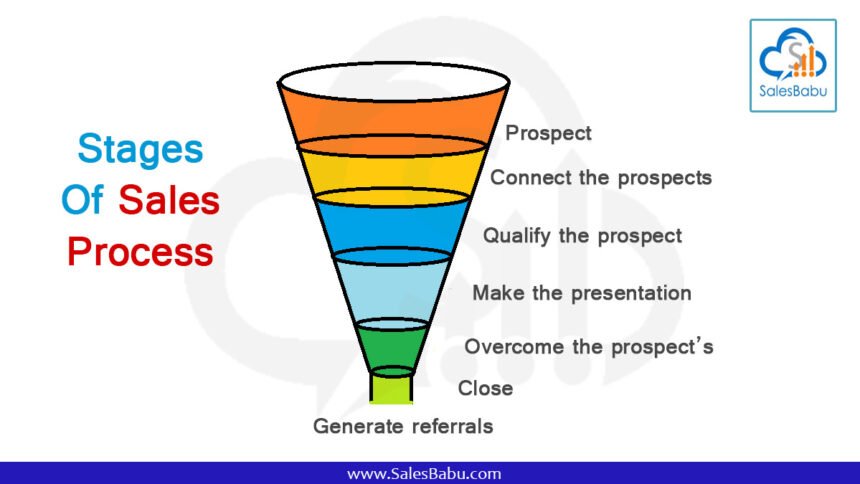
Sales funnel management is crucial for any business. It helps convert leads into customers.
Understanding sales funnel management can greatly improve your sales process. A sales funnel represents the journey of potential customers from awareness to purchase. It includes various stages like awareness, interest, decision, and action. Managing this process effectively ensures that you guide potential customers through each stage, addressing their needs and concerns.
This strategy can help you identify bottlenecks, optimize conversion rates, and ultimately boost your sales. In this blog post, we’ll explore the key aspects of sales funnel management and how you can implement it to achieve better results. Stay tuned to learn practical tips and insights for mastering your sales funnel.
Introduction To Sales Funnel
The sales funnel is a key concept in marketing. It describes the journey from potential customer to loyal buyer. Understanding this process is crucial for any business.
What Is A Sales Funnel?
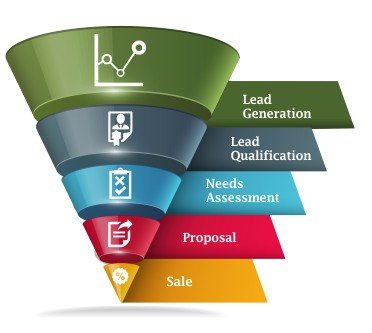
A sales funnel is a visual representation of the customer journey. It starts with awareness and ends with a purchase. The funnel has several stages:
- Awareness: The customer learns about your product.
- Interest: The customer shows interest in what you offer.
- Decision: The customer decides to buy your product.
- Action: The customer completes the purchase.
Importance Of Sales Funnel
The sales funnel is important for many reasons. It helps businesses understand customer behavior. It also helps identify areas for improvement.
Here are some key benefits:
- Better Targeting: You can focus on the right audience.
- Increased Sales: A well-managed funnel leads to more sales.
- Efficiency: It helps streamline your marketing efforts.
- Customer Insights: You gain valuable data about your customers.
Using a sales funnel can transform your business. It provides a clear roadmap for success.
Credit: beforehello.com
Stages Of A Sales Funnel
The sales funnel is a powerful tool for managing customer journeys. Each stage represents a different phase of the buying process. Understanding these stages helps to optimize your sales efforts and convert leads into customers. Let’s explore each stage in detail.
Awareness Stage
The Awareness Stage is the first step in the sales funnel. Here, potential customers become aware of your product or service. This is the point where they realize they have a problem or need. You need to grab their attention and make a strong first impression.
To succeed in this stage, use various marketing strategies such as:
- Social Media Marketing
- Content Marketing
- SEO (Search Engine Optimization)
- Paid Advertising
Focus on providing valuable content that addresses their pain points. This builds trust and positions you as a helpful resource.
Interest Stage
In the Interest Stage, prospects are now interested in learning more about your offerings. They will start to engage with your content and explore your website. Your goal here is to nurture this interest and provide more detailed information.
Effective tactics for this stage include:
- Email Newsletters
- Webinars and Workshops
- Case Studies and Whitepapers
- Product Demos
Offer content that highlights the benefits and features of your product. This keeps the potential customers engaged and moves them further down the funnel.
Decision Stage
The Decision Stage is where prospects evaluate their options. They are considering making a purchase and compare different solutions. Your objective is to convince them that your product is the best choice.
Key strategies for this stage include:
- Customer Testimonials
- Detailed Product Comparisons
- Free Trials or Samples
- Discounts and Special Offers
Provide clear, persuasive content that addresses any objections they might have. Highlight your unique selling points to stand out from competitors.
Action Stage
The Action Stage is the final step in the sales funnel. Here, the prospect takes action and makes a purchase. Your focus should be on making the buying process as smooth as possible.
To facilitate this stage, ensure:
- User-Friendly Checkout Process
- Multiple Payment Options
- Clear Call-to-Action (CTA)
- Post-Purchase Support
After the purchase, continue to engage with the customer. Offer support and follow-up to build long-term relationships and encourage repeat business.
Building An Effective Sales Funnel
Building an effective sales funnel is essential for any business. It helps guide potential customers through the buying process. This ensures they become loyal clients. By focusing on key components, businesses can create a streamlined and efficient funnel. Below are some crucial steps to consider.
Identifying Target Audience
Identifying your target audience is the first step. You need to know who your potential customers are. This involves understanding their needs, interests, and pain points. Here are some ways to identify your target audience:
- Conduct market research
- Create customer personas
- Analyze your competitors
Market research can include surveys, interviews, and focus groups. Customer personas are fictional characters that represent your ideal customers. Analyzing competitors helps you understand what works in your industry.
Creating Quality Content
Creating quality content is crucial for attracting and engaging your audience. Content should provide value and address the needs of your target audience. Here are some types of content you can create:
| Content Type | Description |
|---|---|
| Blog Posts | Informative articles that provide value |
| Videos | Engaging visual content that explains concepts |
| Infographics | Visual representations of data and information |
Blog posts are effective for SEO. They can drive organic traffic to your site. Videos are highly engaging and can explain complex topics. Infographics make data easy to understand and share.
Remember, quality content builds trust and credibility. It helps move potential customers through the funnel. Focus on creating content that educates, informs, and entertains.
Optimizing Lead Generation
Optimizing lead generation is crucial for effective sales funnel management. It involves attracting potential customers and guiding them through the funnel. This section will cover strategies for optimizing lead generation, focusing on using lead magnets and leveraging social media.
Using Lead Magnets
Lead magnets are tools that attract potential customers. They provide value in exchange for contact information. Common lead magnets include:
- E-books – Offer valuable information on a topic of interest.
- Whitepapers – Provide in-depth analysis or research.
- Checklists – Simple, actionable steps to solve a problem.
- Webinars – Live or recorded sessions on relevant topics.
These tools help build trust and establish authority. They also provide valuable data for future marketing efforts. Ensure your lead magnets are relevant to your audience. Tailor them to address specific pain points.
Leveraging Social Media
Social media platforms are powerful tools for lead generation. They offer access to a broad audience. To leverage social media effectively:
- Create engaging content that resonates with your audience.
- Use targeted ads to reach specific demographics.
- Engage with your followers through comments and messages.
- Run contests or giveaways to encourage participation.
Each platform has its unique strengths:
| Platform | Strength |
|---|---|
| Broad reach, detailed targeting options | |
| Visual content, high engagement | |
| Professional network, B2B focus | |
| Real-time updates, trending topics |
Identify which platforms your audience uses most. Focus your efforts on those platforms for maximum impact.
Nurturing Leads
Nurturing leads is a crucial part of the sales funnel. It involves building relationships with potential customers. The goal is to convert them into loyal buyers. Let’s explore effective strategies for nurturing leads.
Email Marketing Strategies
Email marketing plays a vital role in nurturing leads. It’s a direct way to reach out to potential customers. Here are some key strategies:
- Segment your email list: Group your audience based on their behavior and interests.
- Create engaging content: Provide value in every email. Share tips, news, and offers.
- Automate email campaigns: Use automation tools to send timely emails. Set up welcome emails, follow-ups, and reminders.
- Track and analyze: Monitor open rates and click-through rates. Adjust your strategy based on the data.
Personalized Follow-ups
Personalized follow-ups can significantly improve lead nurturing. They show that you care about the individual needs of your leads. Here are some methods to personalize your follow-ups:
- Use their name: Address your leads by their first name in emails and messages.
- Reference their interests: Mention their specific interests or past interactions with your brand.
- Provide tailored solutions: Offer solutions that match their unique challenges and goals.
- Timely responses: Respond quickly to inquiries and follow-up at appropriate intervals.
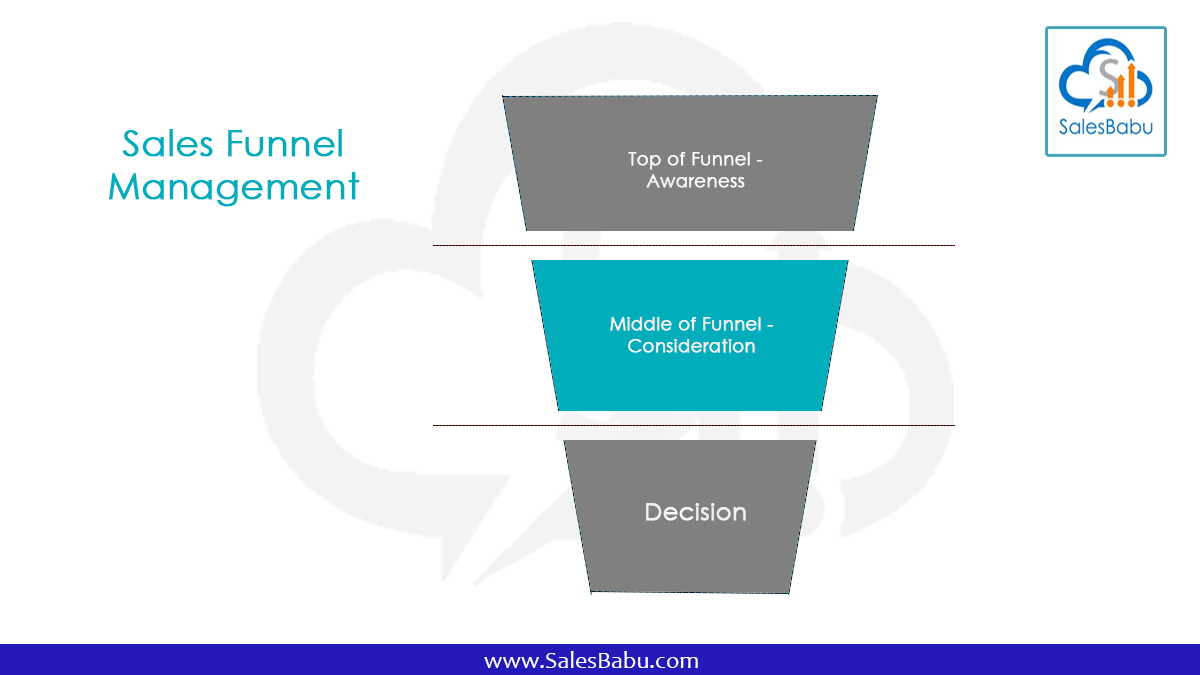
By focusing on these strategies, you can effectively nurture your leads. This will ultimately move them further down the sales funnel, increasing your chances of conversion.
Credit: www.salesbabu.com
Converting Leads To Customers
Effective sales funnel management is crucial for converting leads to customers. This process involves nurturing leads at each stage of the funnel. It requires strategic techniques and genuine engagement. Let’s explore some key methods to achieve this.
Effective Sales Techniques
To convert leads into customers, you need effective sales techniques. Start by understanding your customer’s needs. Offer solutions that directly address their problems. Use personalized communication to build trust.
Here are some techniques to consider:
- Follow-up: Regular follow-ups keep your brand top of mind.
- Provide Value: Offer valuable insights or resources. This could be through blogs, webinars, or free trials.
- Build Relationships: Connect on a personal level. Show empathy and understanding.
- Utilize CRM Tools: Track interactions and tailor your approach.
These techniques help in building a strong connection with leads. This connection is essential for converting them into customers.
Utilizing Customer Testimonials
Customer testimonials play a vital role in sales funnel management. They build trust and credibility. Potential customers relate to others’ experiences.
Consider these points when using testimonials:
- Authenticity: Use genuine testimonials. Real stories resonate more.
- Diversity: Showcase testimonials from different customer segments.
- Visibility: Place testimonials prominently on your website.
- Details: Include specific details about the customer’s success.
Here’s a simple table for testimonial placement:
| Page | Placement |
|---|---|
| Homepage | Above the fold |
| Product Pages | Below product details |
| Checkout Page | Near the call to action |
Using customer testimonials effectively can significantly enhance your conversion rates. Make sure to highlight the benefits and positive outcomes experienced by your customers.
Analyzing Sales Funnel Performance
Understanding the performance of your sales funnel is crucial. It helps in identifying areas of improvement. Analyzing sales funnel performance ensures you are making the most of your efforts. This section will discuss key metrics to track and tools for analysis.
Key Metrics To Track
Tracking the right metrics is essential for effective sales funnel management. Here are some key metrics to focus on:
- Conversion Rate: The percentage of leads that turn into customers.
- Drop-off Rate: The percentage of leads that leave the funnel at each stage.
- Average Deal Size: The average revenue generated per customer.
- Sales Cycle Length: The time it takes to convert a lead into a customer.
- Lead Response Time: The time it takes to respond to a new lead.
Tools For Analysis
To effectively analyze your sales funnel, using the right tools is important. Here are some tools that can help:
| Tool | Description |
|---|---|
| Google Analytics | Tracks website traffic and user behavior. |
| HubSpot | Offers comprehensive sales funnel analysis features. |
| Salesforce | Provides detailed insights into sales performance. |
| Hotjar | Analyzes user behavior through heatmaps and recordings. |
| Mixpanel | Tracks user interactions with your product or service. |
Each of these tools can provide valuable insights. They help in understanding where leads are dropping off. They also reveal which stages of the funnel need improvement. Use these tools to gather data and make informed decisions.
Credit: abs.edu.in
Continuous Improvement
Continuous Improvement in sales funnel management ensures the process evolves with changing market dynamics. By continually refining and optimizing each stage of the funnel, businesses can enhance their conversion rates and customer satisfaction. This ongoing effort is crucial for staying ahead in competitive markets.
A/b Testing
A/B Testing is a key method for continuous improvement. This process involves comparing two versions of a webpage or sales pitch to determine which performs better. By doing this, businesses can make data-driven decisions to enhance their sales funnel.
- Create two variations of a landing page.
- Split your audience to test both versions.
- Analyze the performance metrics.
- Implement the higher-performing version.
A/B Testing helps in identifying what resonates with your audience. It’s a simple yet effective strategy to optimize various elements of your funnel.
Iterative Adjustments
Iterative Adjustments involve making small, ongoing changes based on feedback and data. This approach helps in fine-tuning the sales funnel without causing major disruptions.
| Step | Description |
|---|---|
| 1. Collect Data | Gather insights from customer interactions. |
| 2. Analyze Feedback | Identify patterns and pain points. |
| 3. Make Adjustments | Implement small changes to the funnel. |
| 4. Measure Impact | Evaluate the results of the changes. |
By following these steps, businesses can ensure their sales funnel remains effective. Iterative Adjustments are essential for adapting to new trends and customer behaviors.
Case Studies
Case studies are a great way to understand how businesses handle sales funnels. They offer real-world examples and lessons. Let’s dive into some success stories and lessons learned.
Success Stories
Many companies have transformed their sales through effective sales funnel management. Here are a few examples:
| Company | Strategy | Outcome |
|---|---|---|
| Company A | Enhanced lead nurturing | Increased conversion rate by 30% |
| Company B | Streamlined sales process | Reduced sales cycle by 20% |
| Company C | Targeted marketing campaigns | Boosted sales by 25% |
Lessons Learned
Learning from others’ experiences can save time and resources. Here are some key takeaways from various case studies:
- Focus on quality leads: Not all leads are equal. Prioritize quality over quantity.
- Use data analytics: Data helps in understanding customer behavior and optimizing strategies.
- Automate repetitive tasks: Automation saves time and reduces errors.
- Personalize communication: Tailored messages resonate better with prospects.
- Continuous improvement: Always refine and improve your sales funnel.
Frequently Asked Questions
What Is A Sales Funnel?
A sales funnel is a visual representation of the customer journey. It outlines each stage a prospect goes through before becoming a customer.
Why Is Sales Funnel Management Important?
Sales funnel management helps in tracking and optimizing each stage of the sales process. It ensures higher conversion rates and better customer relationships.
How Do You Create A Sales Funnel?
To create a sales funnel, identify your target audience. Map out each stage from awareness to purchase. Implement strategies for each stage.
What Are The Stages Of A Sales Funnel?
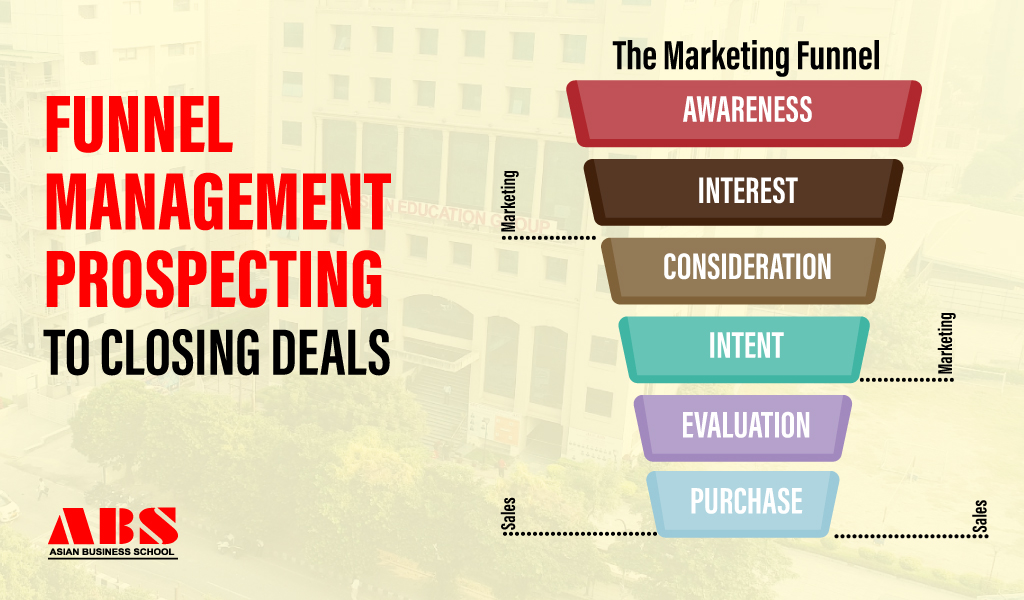
The stages of a sales funnel typically include awareness, interest, consideration, intent, evaluation, and purchase. Each stage requires different strategies.
Conclusion
Sales funnel management is crucial for business success. It helps track potential customers. Streamlined funnels boost conversions and sales. Implementing these strategies saves time and resources. Analyze each stage carefully. Make data-driven decisions. Improve customer experiences. Effective management leads to better results.
Start optimizing your sales funnel today. Enjoy seeing your business grow steadily. Consistent efforts yield long-term benefits. Stay committed and watch your sales soar.